

💡 Scientists at the University of Bonn converted blood cells from an 80-year-old donor into neural stem cells, and tracked the cells' epigenetic age dropping by more than 60 years over 50 days. Published in Aging Cell in October 2026, this is the clearest evidence yet that the molecular signature of aging in human cells is not a one-way door.
- Blood cells from an 80-year-old were converted into neural stem cells whose epigenetic age fell below 20 years over roughly 50 days of observation.
- The key innovation is direct conversion: blood to neural stem cell with no pluripotent intermediate stage, which avoids the cancer risk associated with fully dedifferentiated cells.
- Epigenetic clocks measure DNA methylation patterns rather than the DNA sequence itself. Resetting them shows aging's molecular marks are reversible under the right conditions.
- This happened entirely in laboratory dishes. No cells were re-introduced into a person, and no human therapy exists from this research yet.
- The main near-term value: a new tool for studying neurodegenerative diseases such as Alzheimer's by making genuinely young neural cells from an older patient's own blood.
What Did the Bonn Researchers Actually Do?
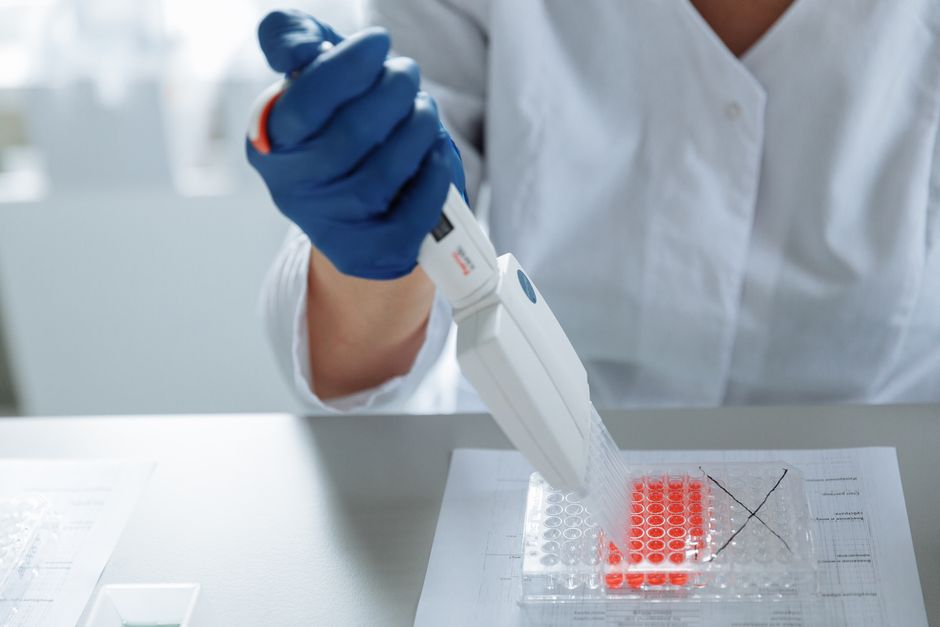
A team at the University Hospital of Bonn took immature red blood cells from an 80-year-old donor and reprogrammed them into neural stem cells - precursor cells that can develop into neurons and other brain-supporting cells. Led by Oliver Brüstle and Wolfgang Wagner, with colleagues at RWTH Aachen, the team used a cocktail of transcription factors to push cell identity directly from blood to brain precursor.
What made the experiment unusual was the route. Standard cellular reprogramming typically passes through a pluripotent stage - an embryonic-like condition where the cell can become anything. The Bonn team went directly, without that stop. Over 50 to 100 days, they tracked the resulting cells using epigenetic clocks. The results, published in Aging Cell (October 2026), showed cells clocking in at a molecular age well under 20 years - from a donor who was 80.
What Is an Epigenetic Clock?
Your DNA sequence stays nearly constant throughout your life. What changes is the layer on top of it: chemical tags called methyl groups that stick to DNA and shift how genes are expressed. As we age, these tags accumulate in predictable patterns. Scientists have mapped those patterns precisely enough to read a cell's biological age from them. This is an epigenetic clock.
Epigenetic age and calendar age often diverge. Chronic stress, poor sleep, and smoking can push epigenetic age ahead of calendar age; regular exercise and controlled diet can slow it. What the Bonn finding adds: a forced change in cell type can reset the clock almost entirely, at least in isolated cells in controlled conditions.
Does This Mean We Can Reverse Aging in Real People?
Not yet, and the researchers are careful to say so. The experiment happened in laboratory dishes. The cells were not re-introduced into the donor or any living organism. There is no rejuvenation therapy emerging from this research in the near term.
What it does show is meaningful: the epigenetic marks of aging are reversible in human cells under specific conditions. Before this generation of experiments, it was genuinely unclear whether accumulated epigenetic changes were truly reversible or just temporarily slowed. Studies like this establish that the ratchet can, under controlled circumstances, be turned back. That is a proof of principle with real downstream implications, even if clinical use is still years away.
What Does This Mean for You?
Right now: nothing you need to change today. No supplement or therapy is emerging from this paper in the short term.
The longer-term significance is real, particularly for brain health. Brüstle noted that "age is the most important risk factor for neurodegenerative diseases such as Alzheimer's." Making genuinely young neural stem cells from an older patient's own blood gives researchers two things. First: better disease models. Most Alzheimer's lab research currently uses cell lines that behave like young tissue, but the disease targets old tissue. Cells freshly derived from an older patient and epigenetically de-aged may model the disease environment far more accurately. Second: a potential future path - still distant and unproven - toward patient-matched, epigenetically adjusted cell therapies.
If you follow aging biology or have a family history of neurodegenerative disease, this line of research is worth tracking. For context on other factors that may influence how you age biologically, the evidence on cultural engagement and biological aging reviewed earlier this month also makes for useful background.
What the Study Does Not Show
The "60 years reversed" framing, while accurate for the cells measured, is worth putting in context. No person was rejuvenated. No tissues or organs were de-aged in a living body. The cells studied were in a dish, not a brain.
The long-term safety profile of directly reprogrammed neural stem cells is also not fully established. The direct conversion approach is designed to avoid the cancer risk of the pluripotent stage, but "designed to avoid" is not the same as "confirmed safe for clinical use." Animal studies and eventual human trials would need to follow before any therapeutic application. No independent scientific commentary appeared in the initial press coverage, so the field's broader verdict is still forming.
What to Watch For Next
The team plans to use the 50-100-day rejuvenation window as a screening tool: test which molecules accelerate or slow the epigenetic reset and use those findings as candidates for future therapies. That research program is several years from clinical application even in the best-case scenario.
The broader field of partial reprogramming - resetting epigenetic age without fully dedifferentiating cells - is moving quickly. Human trials of related technologies began in 2026 for specific eye conditions, as reported by researchers tracking the Bonn findings alongside other developments. This is a space to watch over the next two to five years.
FAQ
What does "60 years of aging reversed" actually mean in this study?
It means the DNA methylation patterns of the reprogrammed cells - which scientists use as a biological clock - reset to match patterns typical of cells about 20 years old, down from the donor's calendar age of 80. It does not mean the cells became young in every biological sense, and it certainly does not mean a person was de-aged.
Were these cells actually put back into the donor or any person?
No. The entire experiment took place in laboratory dishes. The cells were converted, observed, and measured in controlled culture conditions. No cells were re-introduced into a living organism, and no human therapy came from this study.
Why does direct conversion matter compared to making pluripotent stem cells first?
Pluripotent stem cells - which can become any cell type - carry a risk of uncontrolled growth, which can lead to tumors. By going directly from blood to neural stem cell without the pluripotent stage, the Bonn team reduces (though does not eliminate) that risk, making the approach potentially safer for future applications.
Could this lead to a treatment for Alzheimer's disease?
Possibly, but many steps remain. The immediate value is better laboratory models: young neural cells from an older patient's own blood may mimic the actual disease environment better than current models. A therapeutic application - injecting rejuvenated cells back into a patient - would require extensive animal studies and clinical trials before it could be evaluated in people.
How is epigenetic age different from regular (chronological) age?
Chronological age is simply how many years you have lived. Epigenetic age is a molecular estimate based on specific chemical modifications to your DNA that accumulate in predictable patterns over time. The two often differ: lifestyle factors such as sleep, stress, exercise, and diet can shift epigenetic age ahead of or behind your calendar age.
Source(s): ScienceDaily - Rejuvenation breakthrough: Scientists reverse 60 years of aging in human cells (2026); Newswise - Researchers Transform Old Blood Cells into Young Brain Cells (2026); original study: Berg et al., Aging Cell 2026;25(10):e70751
About the author
Dao Huy (Lucas) is a professional translator working across English, Vietnamese, Chinese, and French with more than seven years of experience in technical and life sciences texts. He follows frontier research out of genuine curiosity - especially where biology, language, and how we communicate complex ideas intersect. The growing literature on epigenetic aging is a good example: the science is real and consequential, but the headlines routinely overshoot it, and translating that gap clearly is part of what makes this work interesting.
If you need precise English-Vietnamese translation for medical, life sciences, or technical documents - including patient summaries, research abstracts, or regulatory submissions - Lucas offers professional translation and localization services. You are welcome to request a quote at daohuy.com.
作者:Đào Huy(Lucas),越南语译员与本地化专家(英、中、法译越)。 See translation services →